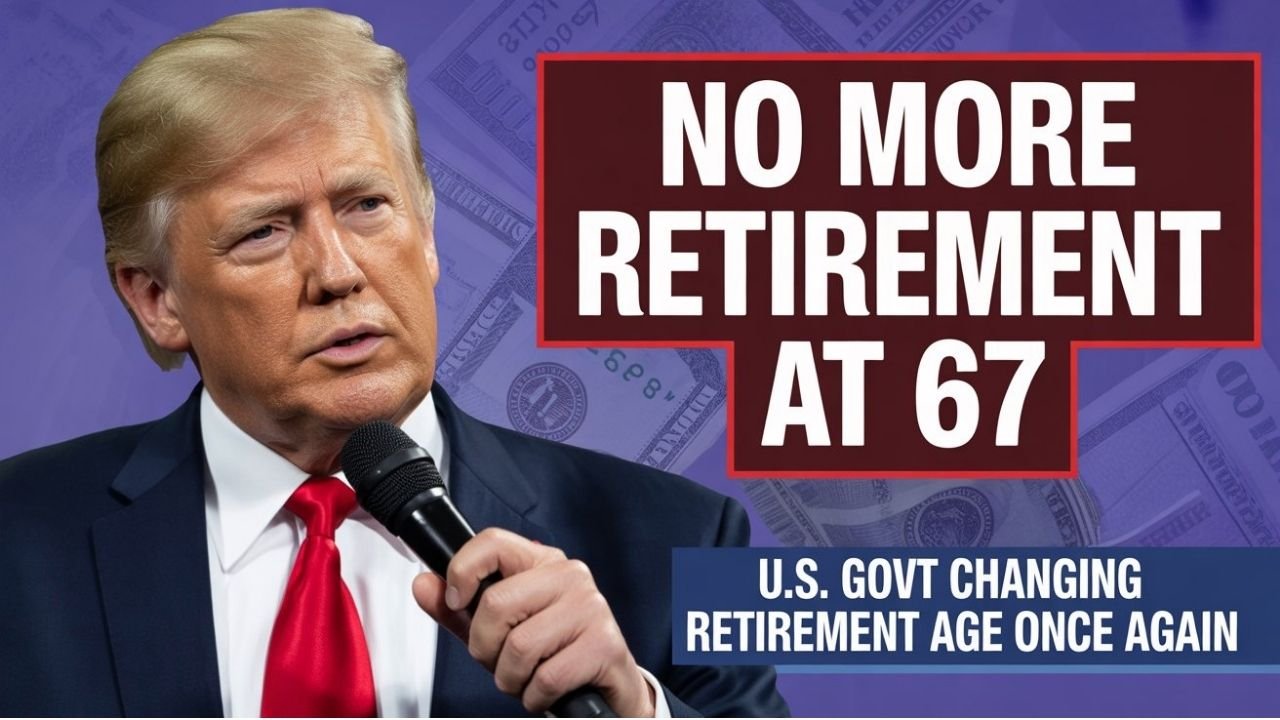
For decades, age 67 has symbolized a clear milestone in the American retirement journey. It represents the Full Retirement Age (FRA) for Social Security for most modern workers, a point when individuals can claim their full benefits without reductions. However, growing conversations around economic pressures, longer life expectancy, and the future sustainability of Social Security have led many to ask a serious question: Is retirement at 67 becoming a thing of the past?
Why Retirement at 67 Is Being Reconsidered
The traditional retirement model was built during a time when Americans lived shorter lives and fewer people relied on Social Security as their primary source of income. Today, people are living longer, healthcare costs are rising, and the ratio of workers paying into the system compared to retirees receiving benefits is shrinking.
These shifts have sparked debates about whether working beyond 67 will become more common—or even necessary—for many Americans. While no law has officially eliminated retirement at 67, economic reality is already reshaping how people approach this age milestone.
The Financial Reality Facing Future Retirees
For many workers, Social Security alone is not enough to cover retirement expenses. Housing, food, medical care, and long-term care costs continue to rise faster than benefits for many households. As a result, retiring exactly at 67 may feel financially unrealistic for those without significant savings or pensions.

Delaying retirement offers several advantages. Continuing to work can provide steady income, employer-sponsored health coverage, and higher Social Security benefits if claiming is postponed. Each year benefits are delayed beyond Full Retirement Age—up to age 70—monthly payments increase.
Work Is Changing, and So Is Retirement
One reason retirement at 67 feels less fixed than before is the changing nature of work. Remote jobs, flexible schedules, consulting roles, and part-time opportunities allow older Americans to stay in the workforce without the physical demands of traditional full-time labor.
Instead of a sudden stop, retirement is increasingly becoming a gradual transition. Many individuals reduce hours, shift careers, or work seasonally while collecting partial retirement benefits. This flexibility makes it easier to stay economically active beyond 67.
Health and Longevity Play a Major Role
Health remains a critical factor in deciding when to retire. While some Americans are able and willing to work well into their late 60s and 70s, others face physical limitations that make extended employment difficult.

This reality highlights a key concern: not everyone has the same ability to delay retirement. Workers in physically demanding jobs may find it harder to continue working, which makes the idea of moving beyond 67 more challenging for certain groups.
Is the Retirement Age Officially Changing?
As of now, 67 remains the Full Retirement Age, and there is no official policy eliminating it. However, discussions about potential future adjustments continue. Any formal change would require legislative action and would likely be phased in gradually.
Even without official changes, many Americans are already adjusting their plans based on personal finances rather than fixed age rules. In that sense, retirement at 67 is becoming less of a guarantee and more of a personal choice influenced by economic necessity.
Planning for a New Retirement Reality
The idea of “goodbye to retirement at 67” does not mean the end of retirement itself. Instead, it signals a shift toward more flexible, individualized planning. Workers are encouraged to:

- Save earlier and more consistently
- Understand how working longer affects benefits
- Explore flexible or part-time work options
- Plan healthcare and insurance coverage carefully
Final Thoughts
Retirement at 67 is no longer a one-size-fits-all solution. While the age remains an important benchmark, financial pressures, longer life spans, and changing work environments are reshaping how Americans approach retirement. Rather than marking a hard stop, 67 is increasingly becoming a decision point, where individuals weigh health, finances, and personal goals. The future of retirement is less about a fixed age and more about flexibility, preparation, and choice.
FAQ – Goodbye to Retirement at 67
Q1. Is retirement at 67 officially ending?
No, age 67 is still the Full Retirement Age for Social Security.
Q2. Why are people saying “goodbye” to retirement at 67?
Rising living costs, longer life expectancy, and financial needs are pushing many to work longer.
Q3. Can I still retire at 67 if I want to?
Yes, retirement at 67 is still possible if your finances and health allow it.

Q4. Does working longer increase Social Security benefits?
Yes, delaying benefits beyond 67 can increase monthly payments up to age 70.
Q5. Is retirement becoming more flexible?
Yes, many people now choose phased or part-time retirement instead of stopping work completely.
